
Discovering Paradise: My Complete Guide to the Mardi Himal Trek in Nepal
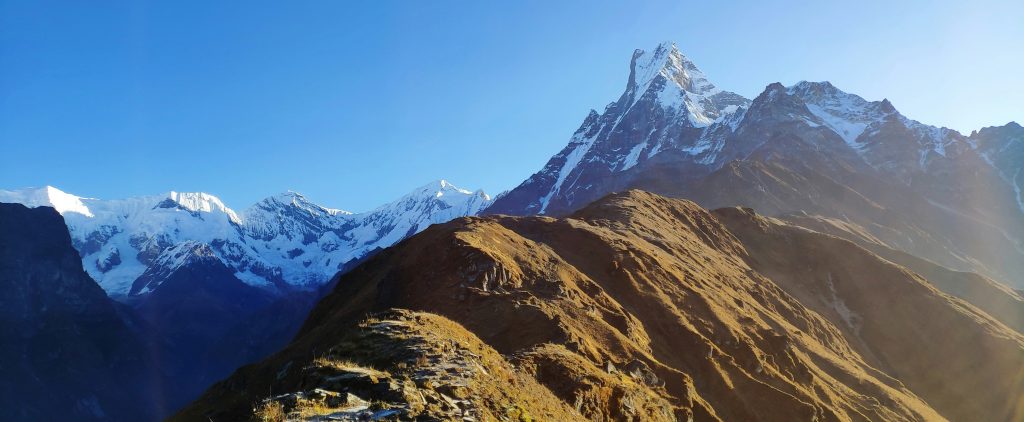
Have you ever stood at the foot of a Himalayan giant, feeling the cool mountain air flow through your lungs while the first rays of sunrise illuminate snowcapped peaks? I still remember my first morning on the Mardi Himal trek – waking up to the silhouette of Machapuchare (Fish Tail) mountain against the dawn sky, thinking “this is why I left my comfortable desk job to explore the world’s hidden treasures.” That moment changed me forever, and it’s why I’ve returned to this spectacular trail three times since then!
The Mardi Himal Trek isn’t just another hiking experience – it’s one of Nepal’s best-kept secrets that delivers everything you could want from a Himalayan adventure but without the crowds that flock to more famous routes. If you’re craving breathtaking mountain views, authentic cultural experiences, and a sense of accomplishment without exhausting yourself completely, this moderate trek should be at the top of your bucket list.
What Makes the Mardi Himal Trek Special?
Unlike its more famous neighbors like the Annapurna Circuit or Everest Base Camp, the Mardi Himal trek remains relatively undiscovered. Opened to trekkers only in 2012, this route offers pristine trails and authentic experiences that many popular Himalayan treks have sadly lost to commercialization.
The standout feature? Unparalleled views of the Annapurna range, including close-up perspectives of Machapuchare (the sacred “Fish Tail” mountain), Mardi Himal, and other majestic peaks. But it’s not just about the mountains – you’ll traverse through diverse landscapes from lush rhododendron forests to alpine meadows and high-altitude terrain, all in a relatively short distance.
At just 5-6 days for the complete journey, it’s perfect for travelers with limited time who still want an authentic Himalayan experience. And the best part? You’ll likely have many stretches of trail completely to yourself!
When Is the Best Time to Go?
Nepal’s trekking seasons are well-defined, and choosing the right time can make or break your experience. From my multiple journeys on this trail, I recommend:
March to May (Spring) – My personal favorite! The rhododendron forests burst into brilliant reds, pinks and whites, creating magical tunnels of color. Weather is generally stable with clear mornings, though afternoon clouds are common. Temperatures are moderate, and the trails are less crowded than autumn.
October to November (Autumn) – The most popular trekking season in Nepal for good reason. Crystal clear skies offer the most reliable mountain views, with vibrant blue backdrops making your photos look spectacular! Temperatures are comfortable, though nights at higher elevations still require warm layers.
December to February (Winter) – For the adventurous! I did this once and while it was challenging with snow at higher elevations, the empty trails and crisp winter air made it unforgettable. You’ll need serious cold-weather gear, and some teahouses may be closed.
Avoid June to September – This is monsoon season, bringing leeches, muddy trails, and clouds that hide those mountain views you came for. Not worth it unless you absolutely can’t travel any other time!
Essential Preparation for Your Trek
Don’t let the relatively short duration fool you – the Mardi Himal Trek reaches elevations over 4,500m and proper preparation is essential. Here’s how to ensure your adventure goes smoothly:
Permits You’ll Need
Two permits are required:
- TIMS Card (Trekkers’ Information Management System) – NPR 2,000 (~$15)
- Annapurna Conservation Area Permit (ACAP) – NPR 3,000 (~$23)
You can obtain these in Kathmandu at the Nepal Tourism Board office or in Pokhara. I recommend getting them in Pokhara if that’s your starting point, as the lines are usually shorter!
Physical Preparation
While considered a moderate trek, you’ll still face significant daily elevation gain. I recommend:
- Regular cardio training for at least a month before your trip
- Practice hikes with your backpack if possible
- Stair climbing exercises to strengthen your legs
- Some upper body strength for carrying your pack
Even with moderate fitness, you’ll find this trek challenging but absolutely doable. The key is taking your time and not rushing between teahouses.
Essential Packing List
Based on my experiences, here are the must-haves:
- Quality hiking boots (broken in!)
- Layered clothing for variable temperatures
- Down jacket for cold evenings
- Rain protection (even in dry season)
- Sun protection (hat, sunglasses, high SPF sunscreen)
- Headlamp with extra batteries
- First aid kit including blister treatment
- Water purification method
- Cash (no ATMs on the trail)
Remember that less is more – every extra kilo will feel like three by the end of a long hiking day!
The Mardi Himal Trek Route: Day by Day
While there are variations, here’s the classic itinerary I recommend for most trekkers:
Day 1: Pokhara to Kande, then trek to Forest Camp (2,200m)
Your adventure begins with a short drive from Pokhara to Kande (about 1 hour). The initial climb is quite steep as you ascend through charming villages and terraced farmland. After reaching Australian Camp – a viewpoint famous for panoramic sunset views – you’ll continue through enchanting forests to reach Forest Camp, also known as Kokar. The rhododendron trees here create a magical canopy overhead.
Distance: About 8-9km Elevation gain: 700m Difficulty: Moderate, with some steep sections Accommodation: Basic teahouses with limited facilities
Day 2: Forest Camp to Low Camp (2,990m)
Today’s journey continues through mystical forests with occasional glimpses of the mountains beyond. The trail becomes less steep but remains a steady climb. By afternoon, you’ll reach Low Camp, where the trees begin to thin, offering your first real mountain panoramas! The sunset views from here can be absolutely spectacular if weather permits.
Distance: About 6-7km Elevation gain: 790m Difficulty: Moderate Accommodation: Simple teahouses with shared facilities
Day 3: Low Camp to High Camp (3,580m)
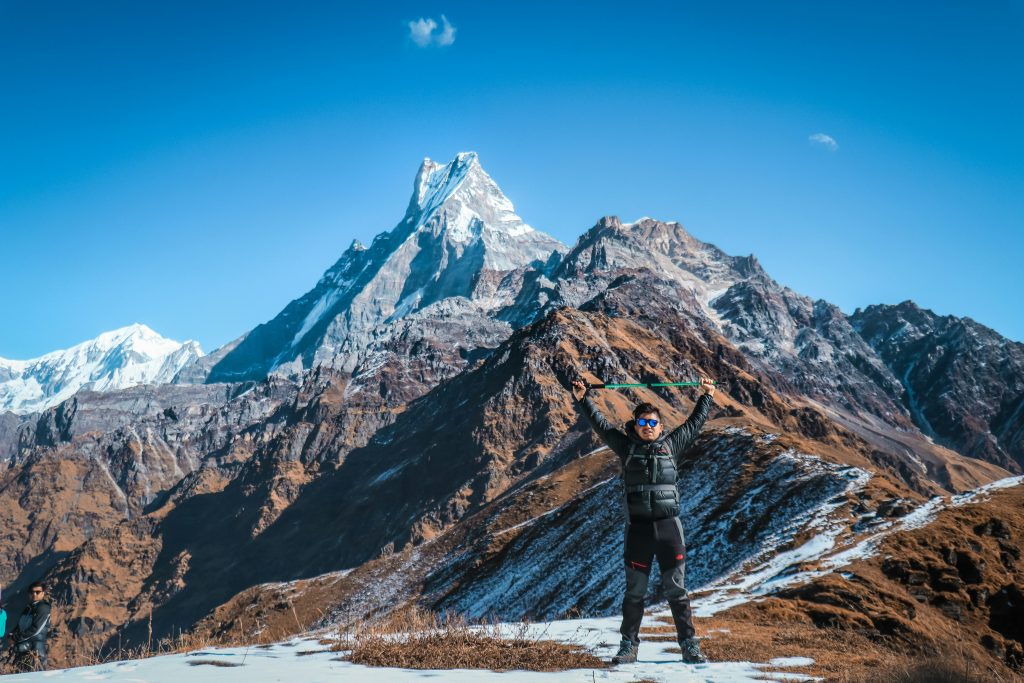
This is where the landscape transforms dramatically! As you leave Low Camp, you’ll soon emerge above the treeline into alpine terrain. The views become increasingly impressive with each step, with Machapuchare (Fish Tail) seeming close enough to touch. High Camp sits in an exposed position with 360-degree mountain views. Bundle up – it gets cold here even in peak season!
Distance: About 5-6km Elevation gain: 590m Difficulty: Moderate to challenging, with some steep sections Accommodation: Basic teahouses with limited heating
Day 4: High Camp to Mardi Himal Base Camp (4,500m) and back to High Camp
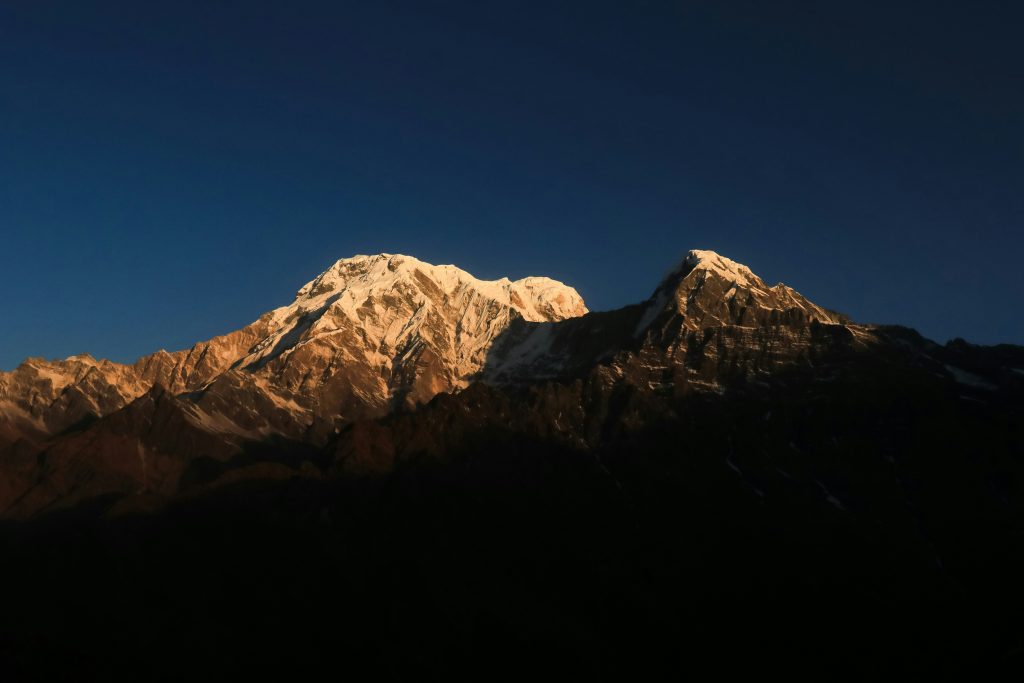
Wake up early (like 4:30 AM early!) for the highlight of your trek – the journey to Mardi Himal Base Camp. You’ll hike in darkness with headlamps to reach a viewpoint in time for sunrise – one of life’s truly magical moments as first light illuminates the Annapurna range. After soaking in the views and celebrating your achievement, return to High Camp for breakfast. The path becomes quite exposed in sections, requiring careful footing.
Distance: About 7-8km round trip Elevation gain/loss: 920m up and down Difficulty: Challenging due to altitude and terrain Accommodation: Same teahouse at High Camp
Day 5: High Camp to Sidhing Village (1,885m)
Rather than returning the same way, I highly recommend taking the alternate route down through Sidhing Village. This creates a loop and lets you experience completely different terrain and communities. The descent is significant but rewards you with beautiful landscapes and a glimpse into rural Nepali village life.
Distance: About 10-12km Elevation loss: 1,695m Difficulty: Moderate, with significant descent that can be tough on knees Accommodation: Local teahouse in Sidhing
Day 6: Sidhing Village to Pokhara
A final day of trekking takes you down to the road at Lumre, where vehicles can pick you up for the return to Pokhara. This section passes through traditional villages and agricultural areas, offering a fascinating contrast to the high mountain environments you’ve experienced.
Distance: About 7-8km to road Elevation loss: 700m Difficulty: Easy to moderate

Cultural Experiences Along the Way
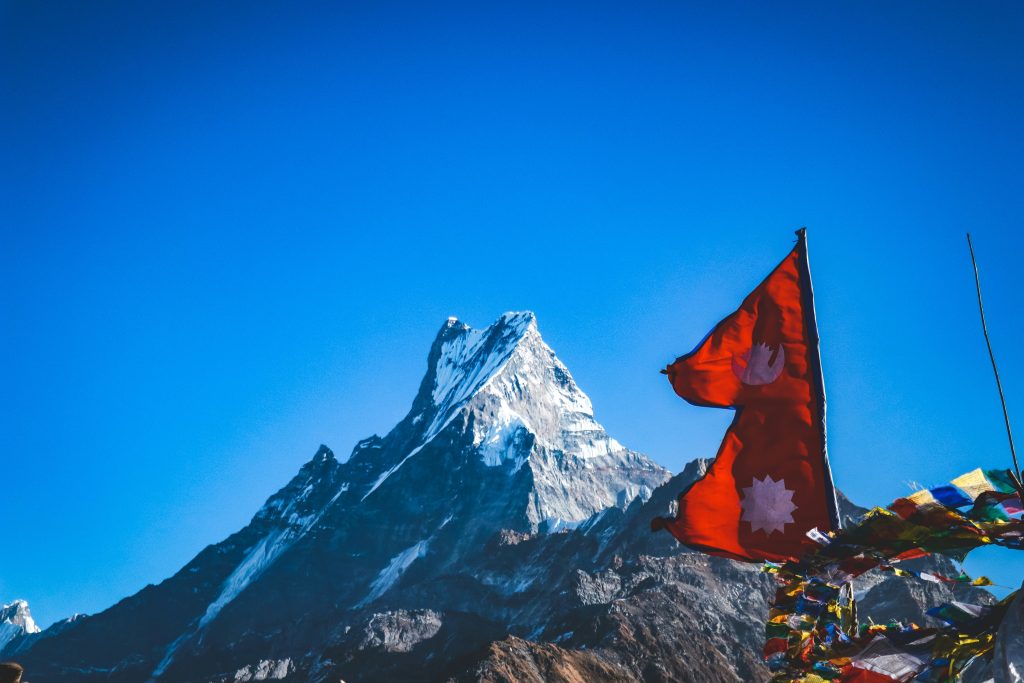
One aspect that makes this trek special is the cultural immersion. Unlike heavily trafficked routes, the teahouses here maintain authentic character. You’ll likely be served by the actual owners rather than hired staff, creating opportunities for genuine connection.
Don’t miss trying local specialties beyond the standard dal bhat (lentil and rice) that appears on every menu. Ask for sikarni (sweet yogurt dessert) or locally brewed raksi (rice wine) for a taste of authentic Nepali cuisine.
The villages lower on the trail offer glimpses into rural Nepali life largely unchanged for generations. Observe (respectfully) as farmers tend their terraced fields using traditional methods, and don’t be surprised if you’re invited in for tea – Nepali hospitality is legendary!
Responsible Trekking Tips
As this region becomes more popular, practicing responsible tourism becomes increasingly important:
- Carry out all your trash (including toilet paper)
- Use biodegradable soap and shampoo
- Stick to established trails to prevent erosion
- Respect local customs and dress modestly
- Ask permission before photographing people
- Support local businesses rather than large tour operators
- Consider carbon offsetting your flights to Nepal
By treading lightly, we can help preserve this spectacular region for future generations of trekkers and the local communities who call it home.
Final Thoughts: Why You Should Choose the Mardi Himal Trek
After completing numerous treks throughout Nepal, I still return to Mardi Himal for its perfect balance of accessibility, authentic experiences, and breathtaking scenery. It offers everything that makes Himalayan trekking magical but in a shorter, more manageable package.
Whether you’re a first-time trekker looking for an achievable challenge or an experienced hiker seeking something off the beaten path, this trek delivers unforgettable moments and perspectives that will change how you see the world.
Pack your boots, prepare your camera, and get ready for an adventure that combines physical challenge with cultural immersion and some of the most spectacular mountain scenery on earth. The Mardi Himal trek isn’t just a walk in the mountains – it’s a journey that will stay with you long after you’ve returned home!