
The Ultimate Guide to Boating in the Land of Mountains
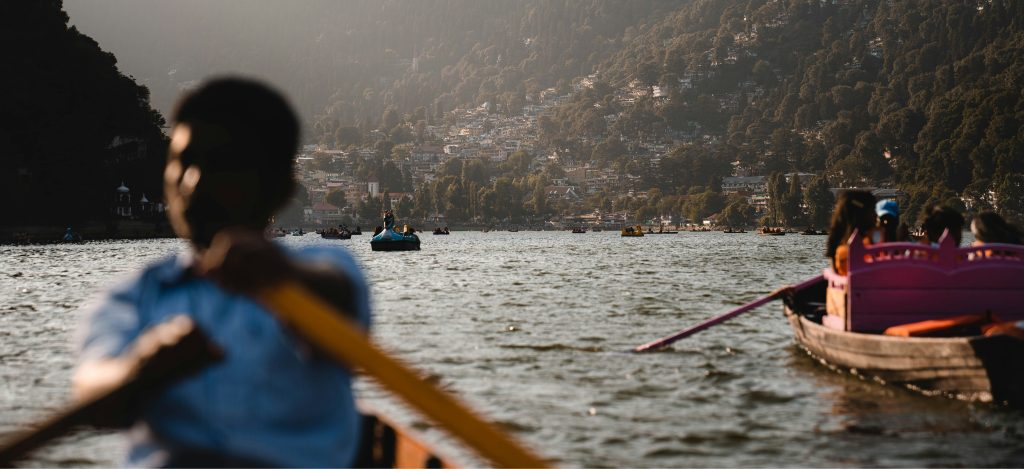
Have you ever watched the sun rise over the Himalayas while gliding across a crystal-clear lake? I certainly hadn’t until my first boating trip in Nepal five years ago. That morning on Phewa Lake changed my perspective forever! While Nepal is world-famous for its towering peaks and trekking routes, the country’s stunning waterways offer equally breathtaking experiences that far too many travelers miss.
Nepal’s Boating Scene: An Unexpected Paradise
When most people think of Nepal, they picture snow-capped mountains and ancient temples—not boating adventures. Yet this landlocked Himalayan nation boasts some of Asia’s most spectacular lakes and rivers. From serene lake paddling to heart-pounding whitewater expeditions, Nepal’s diverse waterways provide unforgettable experiences for water enthusiasts of all levels.
The boating industry in Nepal has grown significantly over the past decade, with visitor numbers to popular boating destinations increasing by nearly 40% since 2019. This surge reflects both improved infrastructure and growing recognition of Nepal’s potential beyond traditional trekking tourism.
Top Boating Destinations in Nepal
Phewa Lake: The Crown Jewel of Pokhara
Pokhara’s Phewa Lake stands as Nepal’s premier boating destination. This breathtaking lake spans approximately 4.43 square kilometers and offers the perfect introduction to Nepalese boating culture. What makes Phewa truly special is its unparalleled backdrop—the magnificent Annapurna range reflected in its waters creates a double vision of mountain majesty!
Visitors can choose between traditional wooden boats called “doongas,” colorful paddle boats, or modern kayaks. A leisurely row to Tal Barahi Temple, the pagoda-style shrine situated on a small island, remains the most popular excursion. I recommend starting early in the morning when the water is calmest and the mountain views are at their clearest.
Begnas Lake: Phewa’s Peaceful Cousin
Just 15 kilometers east of Pokhara lies Begnas Lake, offering a more tranquil alternative to the sometimes-bustling Phewa. The third largest lake in Nepal, Begnas provides a genuine glimpse into rural Nepalese life with its surrounding fishing villages and terraced fields.
Boat rentals here typically cost less than at Phewa, and the peaceful atmosphere allows for a more meditative experience. Don’t miss taking your boat to one of the small restaurants along the shore, where fresh lake fish makes for an unforgettable lunch!
Rara Lake: The Remote Blue Gem
For adventurous souls willing to journey off the beaten path, Rara Lake in northwestern Nepal offers an incomparable boating experience. As Nepal’s largest lake and the centerpiece of Rara National Park, its deep blue waters set against alpine forests create a landscape that seems almost otherworldly.
The remote location means fewer tourists and a more pristine environment, though reaching Rara requires either a long trek or short flight to Mugu district. Trust me, the effort is worth it for the chance to boat on what locals call the “queen of Nepalese lakes.”
River Adventures: Nepal’s Whitewater Wonderland
Trishuli River: The Perfect Starting Point
Named after Lord Shiva’s trident (trishul), the Trishuli River offers some of Nepal’s most accessible rafting and kayaking opportunities. Located between Kathmandu and Pokhara, it features class II-III rapids ideal for beginners while still providing enough excitement for experienced paddlers.
One-day rafting trips on the Trishuli have become increasingly popular, allowing travelers to combine adventure with transportation between Nepal’s major tourist hubs. The riverside scenery showcases traditional villages, terraced fields, and subtropical forests—a perfect introduction to Nepal’s diverse landscapes!
Sun Kosi River: The Gold River Expedition
For serious whitewater enthusiasts, the Sun Kosi (meaning “River of Gold”) presents the ultimate Nepalese boating challenge. This mighty river flows from Tibet through eastern Nepal, offering a legendary multi-day rafting journey with class III-V rapids.
The standard expedition spans 7-10 days, covering 270 kilometers through changing landscapes from mountains to tropical lowlands. Camping on pristine sandy beaches between paddling sessions creates an immersive experience that combines adrenaline with natural beauty. When I rafted the Sun Kosi in 2021, the final day’s calm waters provided a perfect opportunity to reflect on the incredible journey through Nepal’s varied terrains.
Essential Planning Tips for Boating in Nepal
Best Seasons for Nepalese Waters
Timing your boating adventure correctly can make all the difference:
Lake Boating: September to May offers the most pleasant conditions for lake activities. October and November provide the clearest mountain views, while the spring months (March-April) showcase beautiful rhododendron blooms around lake shores.
River Expeditions: Post-monsoon season (September-November) delivers ideal rafting conditions with high water levels yet increased clarity. Pre-monsoon (March-May) brings lower water levels better suited for beginners or those seeking a less intense experience.
Avoid the summer monsoon period (June-August) when possible, as heavy rains impact water visibility and can create hazardous conditions on rivers.
Equipment and Safety Considerations
Whether renting equipment or joining organized tours, always prioritize safety:
- Life jackets are non-negotiable, even for experienced swimmers and on calm lakes
- Check all equipment thoroughly before setting out
- Use waterproof bags for electronics and valuables
- Apply sunscreen generously—water reflection intensifies sun exposure
- Stay hydrated, especially during river expeditions
Most reputable operators provide comprehensive safety briefings and quality equipment, but it never hurts to verify certifications and ask about their safety record.
Permits and Regulations
Certain boating activities in Nepal require permits:
- National park entry fees apply when boating within protected areas (Rara Lake, Phewa Lake)
- River rafting permits are required for major rivers
- Multi-day expeditions may need special permissions depending on the region
Working with established operators typically streamlines the permit process, as they handle these requirements as part of their packages.
Cultural Aspects of Boating in Nepal
Nepal’s waterways aren’t just recreational spaces—they hold profound cultural and spiritual significance. Many lakes feature temples either on islands or shores, reflecting the sacred status of water in Hindu and Buddhist traditions.
When boating near religious sites, observe a few cultural considerations:
- Dress modestly when visiting waterside temples
- Remove shoes before entering temple premises
- Ask permission before photographing local religious ceremonies
- Consider making a small donation when visiting sacred sites
Engaging respectfully with these cultural dimensions adds depth to your boating experience and fosters positive interactions with local communities.
Environmental Conservation Efforts
Nepal’s water ecosystems face increasing environmental pressures from tourism development, agricultural runoff, and climate change. Several conservation initiatives now work to protect these precious resources:
- The Lake Conservation and Development Authority oversees protection efforts for major lakes
- Community-based organizations in Pokhara lead regular lake cleanups
- Sustainable tourism certifications encourage responsible operator practices
As visitors, we can contribute by choosing environmentally conscious operators, avoiding single-use plastics, and participating in local conservation efforts when possible.
The Future of Boating Tourism in Nepal
Nepal’s boating sector continues evolving, with several exciting developments on the horizon:
- Improved infrastructure at secondary lake destinations
- Increased focus on sustainable water tourism practices
- New paddlesports training centers developing local talent
- Growing interest in longer stay “lake and mountain” combined packages
Government initiatives aim to promote water-based tourism as a complement to traditional trekking, creating more diversified experiences for international visitors.
Final Thoughts: Beyond the Expected
My journey through Nepal’s waters taught me that this country offers so much more than its famous mountains. From peaceful mornings on misty lakes to adrenaline-pumping river descents, Nepal’s boating experiences provide unique perspectives on this beautiful nation.
Whether you’re seeking tranquility, adventure, or cultural insights, Nepal’s lakes and rivers await your discovery. Pack your dry bags, grab your paddles, and prepare for boating experiences that will challenge your preconceptions about this remarkable Himalayan nation!
Remember, in a country renowned for its heights, some of the most profound experiences happen at water level. I can’t wait to return for my next Nepalese boating adventure—perhaps I’ll see you out there on those magical waters!