
Why Annapurna Base Camp Deserves Your Bucket List Spot
Introduction:
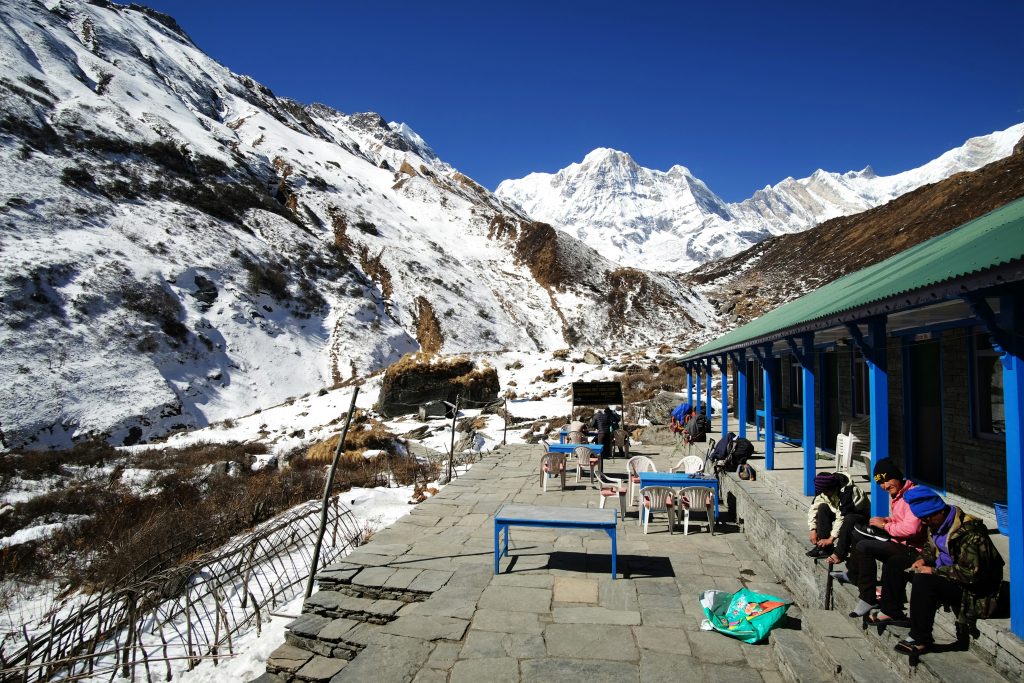
The Annapurna Base Camp (ABC) trek stands as a testament to Nepal’s unparalleled trekking heritage. Nestled in the heart of the Annapurna Conservation Area, this journey takes adventurous souls through diverse landscapes ranging from lush subtropical forests to alpine meadows before culminating at the amphitheater-like base camp surrounded by towering Himalayan peaks. Unlike its more famous cousin, the Everest Base Camp trek, the Annapurna expedition offers a perfect blend of accessibility, cultural immersion, and natural splendor that can be completed in a shorter timeframe without sacrificing the quintessential Himalayan experience.
Every year, thousands of trekkers from around the world challenge themselves on this iconic route, drawn by the promise of standing at 4,130 meters (13,550 feet) in the shadow of the tenth highest mountain in the world. What makes this trek truly special, however, isn’t just the destination but the journey itself—a path that unfolds like a living museum of Nepal’s ecological and cultural diversity.
Planning Your Annapurna Base Camp Adventure: Essential Details
Best Time to Trek
Timing your ABC trek correctly can make the difference between a challenging adventure and an impossible one. The region experiences four distinct seasons, each offering a different trekking experience:
- Spring (March to May): Arguably the best season for the ABC trek, spring brings moderate temperatures, clear skies, and spectacular rhododendron blooms painting the hillsides in vibrant reds and pinks. Wildlife sightings are more common during these months.
- Summer/Monsoon (June to August): Heavy rainfall makes trails slippery and often dangerous. Cloud cover frequently obscures mountain views, though the landscapes are lush and vibrant. For experienced trekkers only.
- Autumn (September to November): The post-monsoon period offers the clearest mountain views and stable weather, making it the most popular trekking season. Expect more crowded trails and slightly higher accommodation prices.
- Winter (December to February): Cold temperatures and potential snowfall create challenging conditions, particularly at higher elevations. However, fewer trekkers mean more solitude and unobstructed views on clear days.
Permits and Regulations
Before setting foot on the trail, you’ll need to secure:
- Annapurna Conservation Area Permit (ACAP): NPR 3,000 (approximately $25 USD) for foreign nationals
- Trekkers’ Information Management System (TIMS) Card: NPR 2,000 (approximately $17 USD) for independent trekkers
Both permits can be obtained in Kathmandu at the Nepal Tourism Board office or in Pokhara. Always carry multiple passport-sized photographs for documentation purposes.
Duration and Difficulty Level
The classic ABC trek typically takes between 7-12 days, depending on your chosen route, pace, and acclimatization schedule. Most trekkers complete the journey in about 9 days. The trek is considered moderate in difficulty—challenging enough to feel accomplished but accessible enough for reasonably fit beginners with determination.
Daily hiking time averages 5-7 hours, with elevation gains generally managed through a well-designed itinerary that allows for proper acclimatization. The highest elevation reached is 4,130 meters at Annapurna Base Camp itself.
The Route: A Day-by-Day Breakdown of the Trek
Traditional Route via Ghorepani
Day 1: Nayapul to Tikhedhunga (1,540m) The journey begins with a drive from Pokhara to Nayapul, where the trekking starts. The first day features a gentle walk alongside the Modi Khola river before ascending stone steps to reach Tikhedhunga, a small settlement offering your first taste of teahouse accommodation.
Day 2: Tikhedhunga to Ghorepani (2,860m) This challenging day involves climbing the famous “3,300 steps” to Ulleri village before continuing through magnificent rhododendron forests to reach Ghorepani, a bustling trekking hub situated beneath Poon Hill.
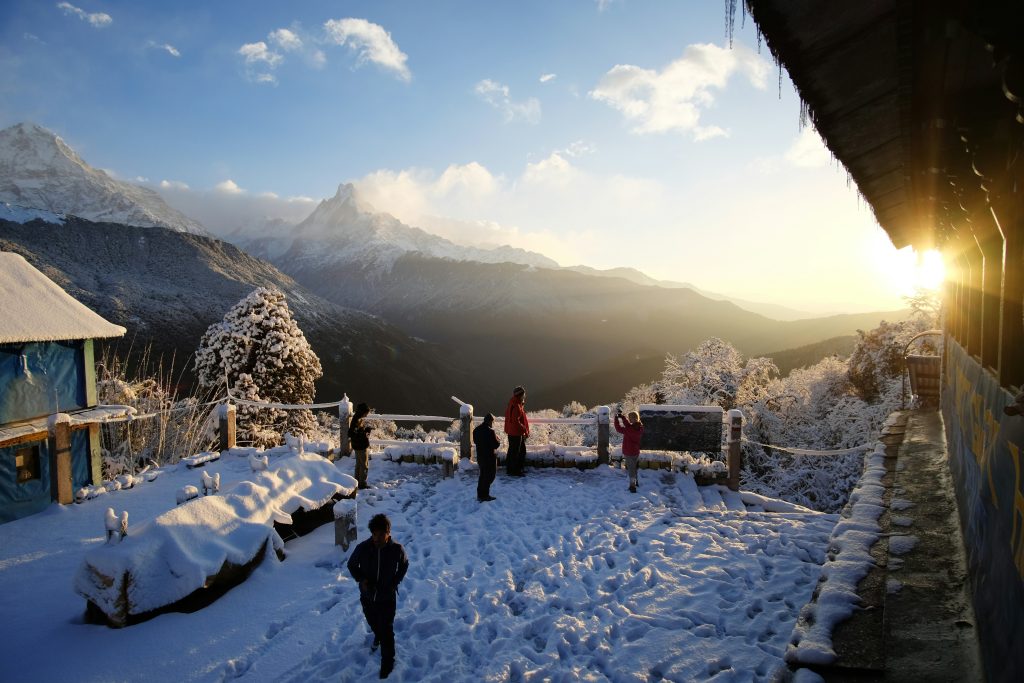
Day 3: Ghorepani to Tadapani (2,630m) via Poon Hill (3,210m) An early morning ascent of Poon Hill rewards trekkers with one of Nepal’s most spectacular sunrise views, as the first light illuminates the Annapurna and Dhaulagiri ranges. After returning to Ghorepani for breakfast, the trek continues to Tadapani through dense forests.
Day 4: Tadapani to Chhomrong (2,170m) Descending through rhododendron forests, the trail crosses the Kimrong Khola before climbing to Chhomrong, a charming Gurung village perched on a hillside with stunning views of Annapurna South and Machhapuchhre (Fishtail Mountain).
Day 5: Chhomrong to Bamboo (2,310m) After descending the infamous Chhomrong steps, the trail enters the Modi Khola Valley. The vegetation gradually transitions as you gain altitude, with the bamboo forests giving this settlement its name.
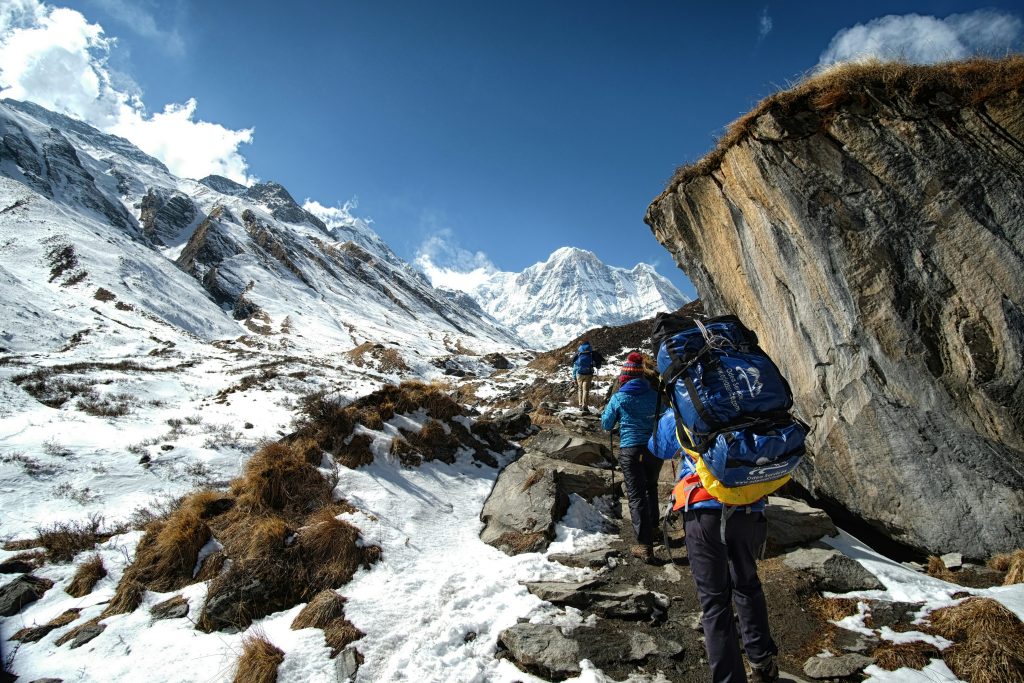
Day 6: Bamboo to Deurali (3,230m) This day marks your entry into the alpine zone as forests give way to rocky terrain. The effects of altitude become more noticeable, making this a day for careful pacing and hydration.
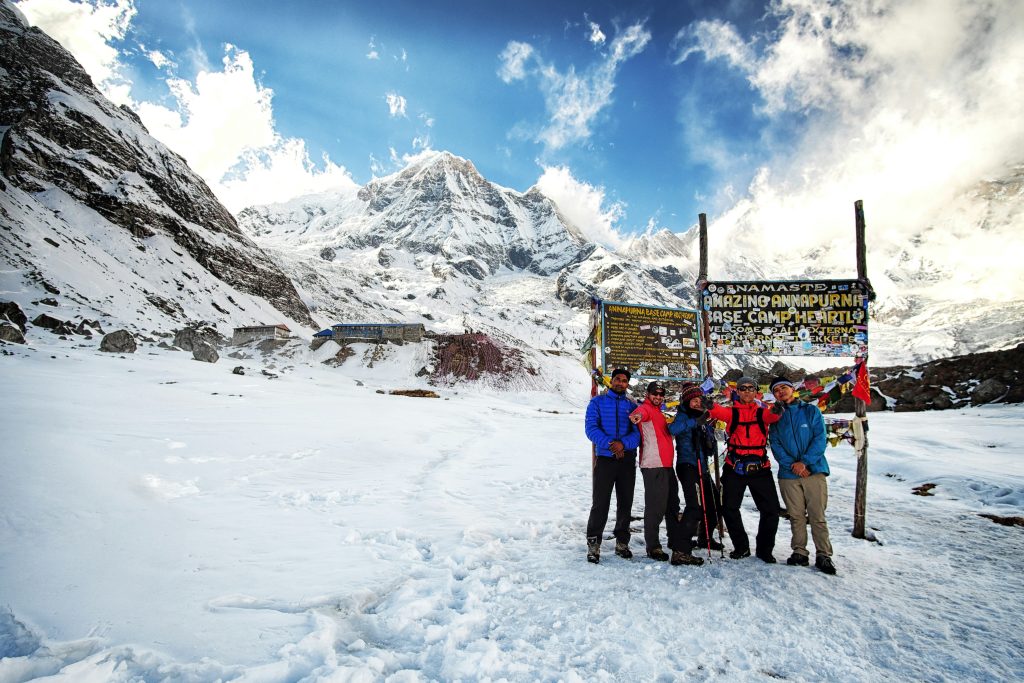
Day 7: Deurali to Annapurna Base Camp (4,130m) via Machhapuchhre Base Camp (3,700m) The culmination of your upward journey takes you through glacier moraines to Machhapuchhre Base Camp and finally to Annapurna Base Camp itself, where you’re surrounded by a 360-degree panorama of Himalayan giants.
Day 8-9: Descent to Nayapul The return journey typically takes 2-3 days, often following the same route in reverse or taking alternative paths through villages like Jhinu Danda, where hot springs offer relief to tired muscles.
What Makes Annapurna Base Camp Trek Unique
The Panoramic Mountain Vista
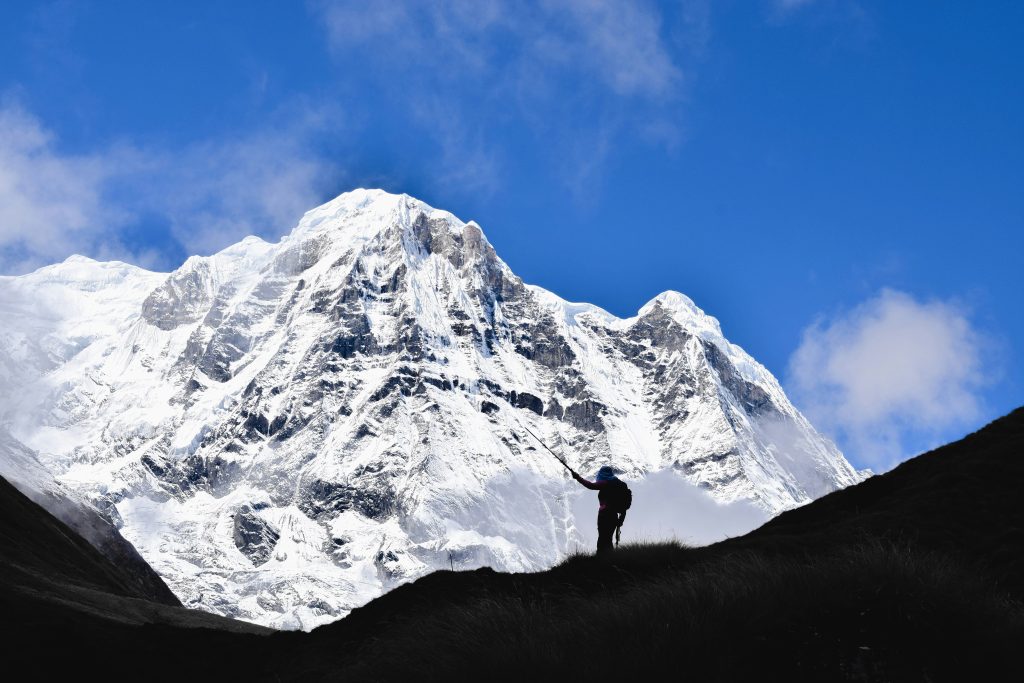
Few places on earth offer the kind of mountain panorama that awaits at Annapurna Base Camp. Standing in the natural amphitheater known as the Annapurna Sanctuary, trekkers find themselves surrounded by a crown of peaks including:
- Annapurna I (8,091m) – The tenth highest mountain in the world
- Annapurna South (7,219m)
- Hiunchuli (6,441m)
- Machhapuchhre/Fishtail (6,993m) – Revered as sacred and untouched by climbers
- Gangapurna (7,455m)
- Annapurna III (7,555m)
The proximity of these mountains creates an intimacy unmatched even by Everest Base Camp, where the summit of Everest itself often appears distant and less dominant than expected.
Cultural Immersion in Mountain Communities
The ABC trek passes through territories of multiple ethnic groups, primarily the Gurung and Magar peoples, offering trekkers authentic cultural experiences. Villages like Chhomrong and Ghandruk showcase traditional architecture, farming practices, and ways of life that have remained largely unchanged for generations.
Many teahouses are family-run operations where you can sample authentic local cuisine like dal bhat (lentil soup with rice), momos (dumplings), and various potato dishes prepared with fresh local ingredients. Cultural interactions provide deeper context to your journey, transforming it from a mere physical challenge to a cultural education.
Ecological Diversity
The vertical range of the trek creates a remarkable transition through multiple ecological zones:
- Subtropical lowlands with terraced rice fields and villages
- Middle-elevation oak and rhododendron forests rich in birdlife
- Subalpine regions with juniper and birch
- Alpine meadows and glacier moraines
This biodiversity hotspot shelters numerous species, including the elusive snow leopard, Himalayan tahr, musk deer, and over 100 species of birds. During spring, the explosion of rhododendron blooms creates photographic opportunities unlike anywhere else in the Himalayas.
Practical Tips for Trekkers
Accommodation and Food
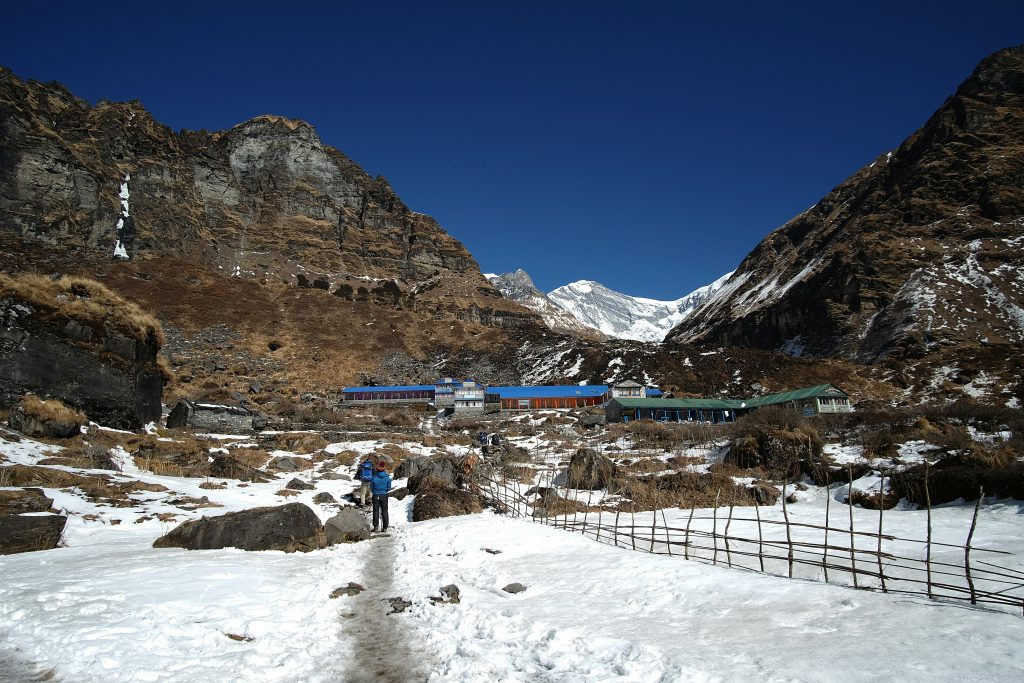
The entire ABC route is dotted with teahouses offering basic but comfortable accommodation. Expect:
- Simple twin rooms with thin mattresses and blankets
- Shared bathroom facilities (though some higher-end teahouses now offer attached bathrooms)
- Common dining areas heated by yak-dung or wood stoves
- Menu options ranging from traditional Nepali dishes to Western favorites
Prices increase with altitude, with accommodation typically costing $5-15 USD per night. Many teahouses operate on the understanding that guests will dine in their establishment, as food sales represent their primary income source.
Packing Essentials
Pack strategically with these must-haves:
- Four-season sleeping bag (even in warmer months)
- Down jacket and thermal layers for higher elevations
- Quality hiking boots (broken in before arrival)
- Trekking poles for steep sections
- Headlamp with spare batteries
- Water purification system
- Basic first aid supplies including blister treatment
Consider hiring a porter if concerned about carrying a full pack, which supports local employment while making your trek more enjoyable.
Physical Preparation and Altitude Considerations
Begin a training regimen at least 2-3 months before your trek, focusing on:
- Cardiovascular endurance (hiking, stair climbing, cycling)
- Strength training for legs and core
- Practice hikes with a loaded backpack
Altitude sickness can affect anyone regardless of fitness level. Preventative measures include:
- Following a conservative acclimatization schedule
- Staying well-hydrated (minimum 3-4 liters daily)
- Ascending slowly, particularly above 3,000 meters
- Recognizing symptoms early and being willing to descend if necessary
Sustainable Trekking: Preserving Annapurna for Future Generations
The increasing popularity of the ABC trek poses environmental challenges that responsible trekkers should address:
- Use refillable water bottles with purification methods rather than purchasing plastic bottles
- Carry all non-biodegradable waste back to Pokhara for proper disposal
- Support lodges with eco-friendly practices like solar heating
- Consider carbon offsetting your flights to Nepal
- Respect wildlife by maintaining appropriate distances and never feeding animals
By trekking with environmental consciousness, you help ensure this magnificent region remains pristine for generations to come.
Conclusion: The Journey of a Lifetime Awaits
The Annapurna Base Camp trek delivers what many consider the perfect Himalayan adventure—challenging enough to feel accomplished, accessible enough to be achievable, and spectacularly beautiful throughout. Whether you’re a seasoned trekker or embarking on your first mountain adventure, the journey to ABC offers rewards that extend far beyond spectacular photographs.
As you stand in that magnificent amphitheater of giants, watching the sun cast golden light across glaciers that have shaped these mountains for millennia, you’ll understand why trekkers return to Nepal’s trails year after year. The Annapurna Base Camp trek isn’t just a physical journey through extraordinary landscapes—it’s an opportunity to connect with a place where nature’s grandeur and human resilience have created something truly magical.
Take the first step toward your Annapurna adventure today, and prepare for an experience that will remain vivid in your memory long after you’ve returned home.Annapurna Base Camp Trek: The Ultimate Guide to Nepal’s Spectacular Himalayan Journey
Discover why the trek to Annapurna Base Camp remains one of Nepal’s most rewarding adventures, combining breathtaking mountain vistas, rich cultural experiences, and accessible trails for trekkers of various abilities.