
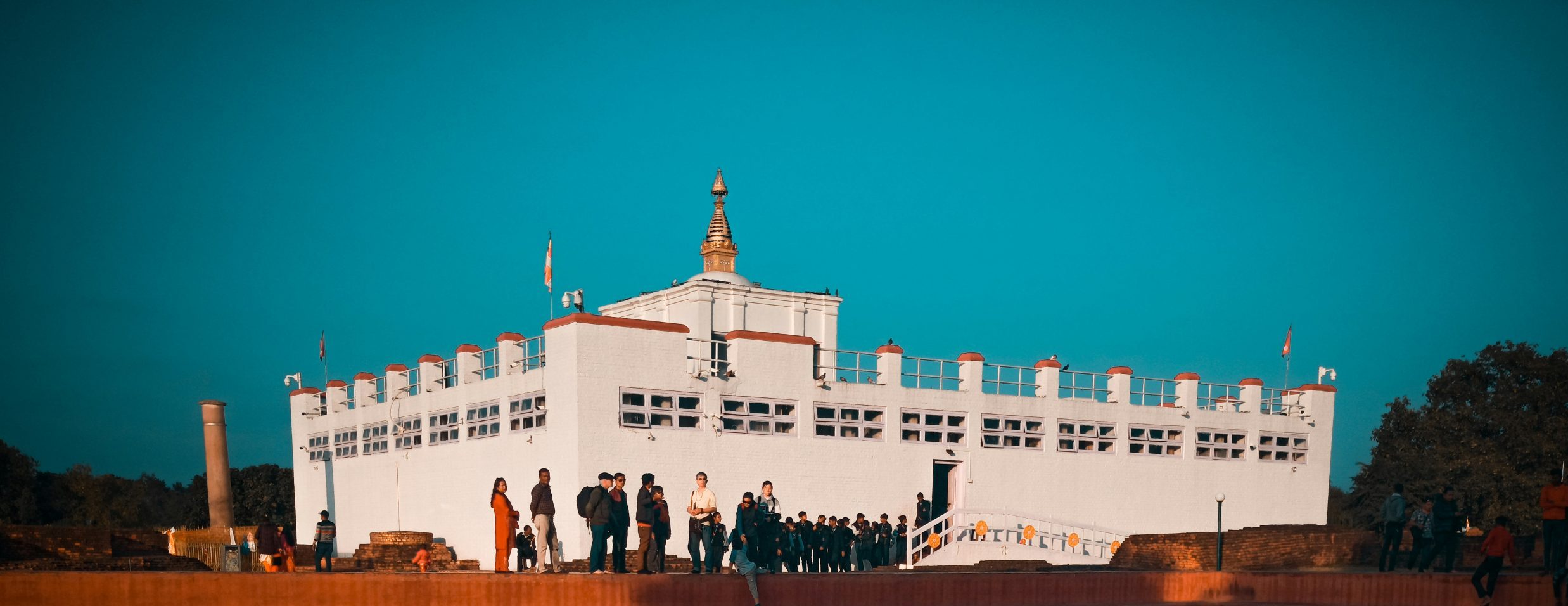
Lumbini, nestled in southern Nepal near the Indian border, stands as one of the world’s most significant Buddhist pilgrimage sites. This sacred ground marks the birthplace of Siddhartha Gautama, who would become the Buddha, in 623 BCE. With its ancient ruins, monasteries built by nations worldwide, and profound spiritual atmosphere, Lumbini offers visitors a unique opportunity to connect with Buddhist heritage while experiencing Nepal’s cultural richness.
Overview
The UNESCO World Heritage site spans a vast area centered around the Sacred Garden, where archaeological evidence confirms Buddha’s birth. Following a master plan designed by Japanese architect Kenzo Tange, the site is divided into three zones: the Sacred Garden, the Monastic Zone (with monasteries representing different Buddhist traditions), and the Cultural and Educational Zone. Each year, pilgrims and tourists from across the globe visit this tranquil sanctuary to pay homage and find spiritual inspiration amidst its peaceful surroundings.
Highlights
- Maya Devi Temple: The exact birthplace of Buddha, housing ancient ruins and the sacred stone marking where Queen Maya Devi gave birth
- Ashoka Pillar: Erected by Emperor Ashoka in 249 BCE, confirming this as Buddha's birthplace
- Sacred Pool: The pond where Queen Maya Devi bathed before giving birth
- World Peace Pagoda: A gleaming white stupa built by Japanese Buddhists
- International Monastic Zone: Beautiful temples and monasteries constructed by Buddhist communities from countries including Thailand, China, Myanmar, Germany, and Sri Lanka, each with distinct architectural styles
- Lumbini Museum: Housing artifacts, art, and cultural exhibits related to Buddha's life and Buddhist traditions